All Categories
Featured
Driving Portfolio Value Through Professional Landscape Care
Evolving Master-Planned Grounds Maintenance Trends in 2026
2026 Commercial Maintenance Standards for Success and Com...

Adopting Modern Grounds Management Standards
Table of Contents
Seasonal transitions demand specific work that prepares landscapes for altering conditions. Spring work consists of eliminating winter particles and dead plants, applying weed preventers before weeds sprout, pruning spring-blooming bushes after the flowers fade, changing sprinklers for warmer temperature levels, and planting seasonal flowers suitable for your location.
Fall preparation involves planting spring-blooming bulbs before the ground freezes, aerating and overseeding yard if proper for your environment, minimizing watering as temperatures drop, preparing sprinklers for winter if required, and removing leaves before they smother turf. Winter season activities include seeing dormant landscapes for issues, preparing spring enhancements and replacements, pruning inactive trees and shrubs when appropriate, securing sensitive plants from freeze damage, and doing devices upkeep before spring hits.
Expense control involves thoughtful preparation instead of simple budget slashing that sacrifices quality. Water expenses frequently supply the most substantial cost savings potential. Sprinkler efficiency improvements, clever controllers, and drought-tolerant plants cut usage without harming landscapes. Some neighborhoods slash water expenses 30-40% through methodical enhancements. Plant choices drastically affect long-term expenses.
Regular replenishment costs less than combating excessive weeds and struggling plants. Preventive work costs less than emergency situation repairs. Routine sprinkler checks avoid pricey water waste and landscape damage.
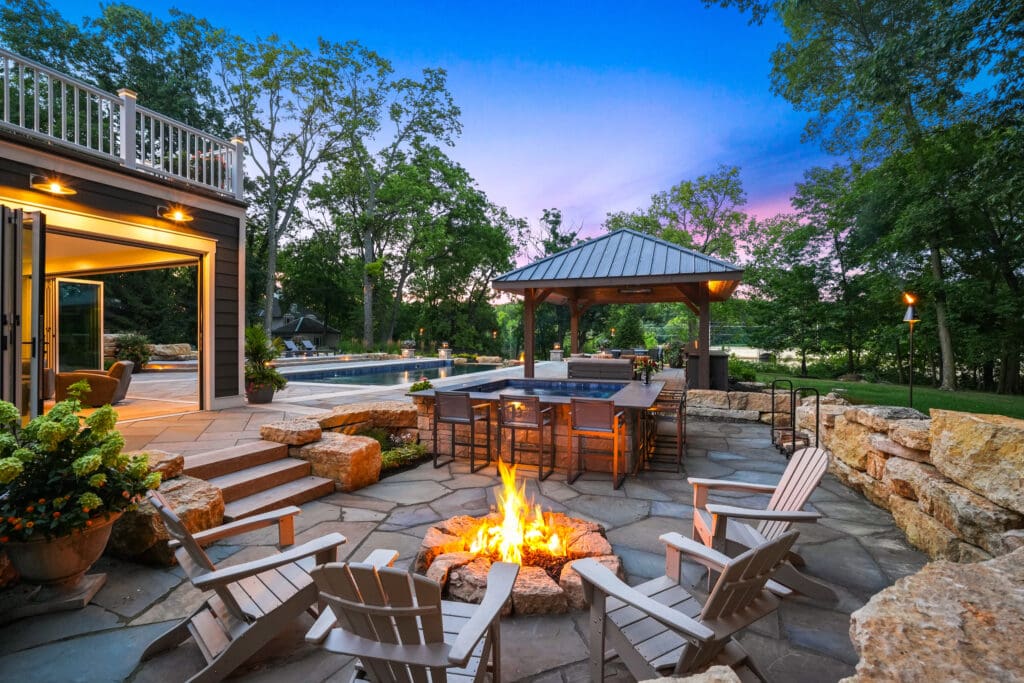
Integrated Common Area Care in Commercial Properties
Getting competitive quotes for agreement work guarantees affordable pricing. Balance expense versus professional credentials, referrals, and real service quality. Landscape complaints happen all over.
Composed grievance treatments eliminate confusion and keep correct records. Putting grievances in composing develops documentation while avoiding heated face-to-face arguments. Ensure homeowners understand for how long reactions usually take. Not every grievance needs action. Communities can't tailor maintenance for specific preferences in shared spaces. Citizens who dislike specific plants or prefer their turf cut differently require courteous explanations that community standards use to everyone.
React quickly, even if you can't fix things right now. Tell homeowners what actions will happen and when work needs to be completed. Picture paperwork protects versus unwarranted problems. Routine outdated pictures of common areas offer evidence of real conditions when conflicts emerge about maintenance quality or timing. Landscapes aren't permanent installations that remain unchanged permanently.
Plans need to attend to aging plants, outdated sprinklers, and areas that have ended up being upkeep nightmares. Reserve research studies should consist of products such as landscape and hardscape functions that need ultimate replacement.
Upgrading styles brings aging landscapes into modern standards while often minimizing upkeep expenses. Current design trends prefer drought-resistant plants, lowered turf protection, and products that need less upkeep than those popular decades back. Enhancement concerns must focus on high-visibility locations and severe issues before addressing small concerns in less noticeable areas.
Sustainable Groundskeeping for Corporate Parks
Management companies bring landscape knowledge from managing multiple neighborhoods with various difficulties. They comprehend maintenance standards, professional oversight, and cost control strategies that volunteer boards usually lack.
Corporate Campus Grounds CareRoutine property walks assistance identify problems before they become major, while also documenting contractor efficiency for payment and renewal decisions. Budget planning benefits from experience with similar homes and practical expense projections. Management business comprehend common expenditures while determining opportunities for effectiveness improvement. Contact Area Management to learn how professional services can assist your community preserve lovely, well-managed landscapes and common locations.
Innovation and expert system are no longer simply buzzwords. They're reshaping how property owner associations run, interact, and resolve problems. In 2026, these tools are progressing faster than ever. Boards that understand where technology is headed can make better decisions, improve resident experiences, and lead their neighborhoods better. This short article highlights the most important tech and AI trends shaping HOAs this year, grounded in real-world applications and what's coming next.
A lot of associations today count on digital platforms for interaction, payments, and file storage. Many offer online websites where locals can submit demands, gain access to files, or review account info. At the exact same time, development in the HOA area is speeding up, and some organizations are moving faster than others. For the past two years, we have actively developed and executed AI-powered innovation across key operational areas.

Table of Contents
Latest Posts

Driving Portfolio Value Through Professional Landscape Care

Evolving Master-Planned Grounds Maintenance Trends in 2026
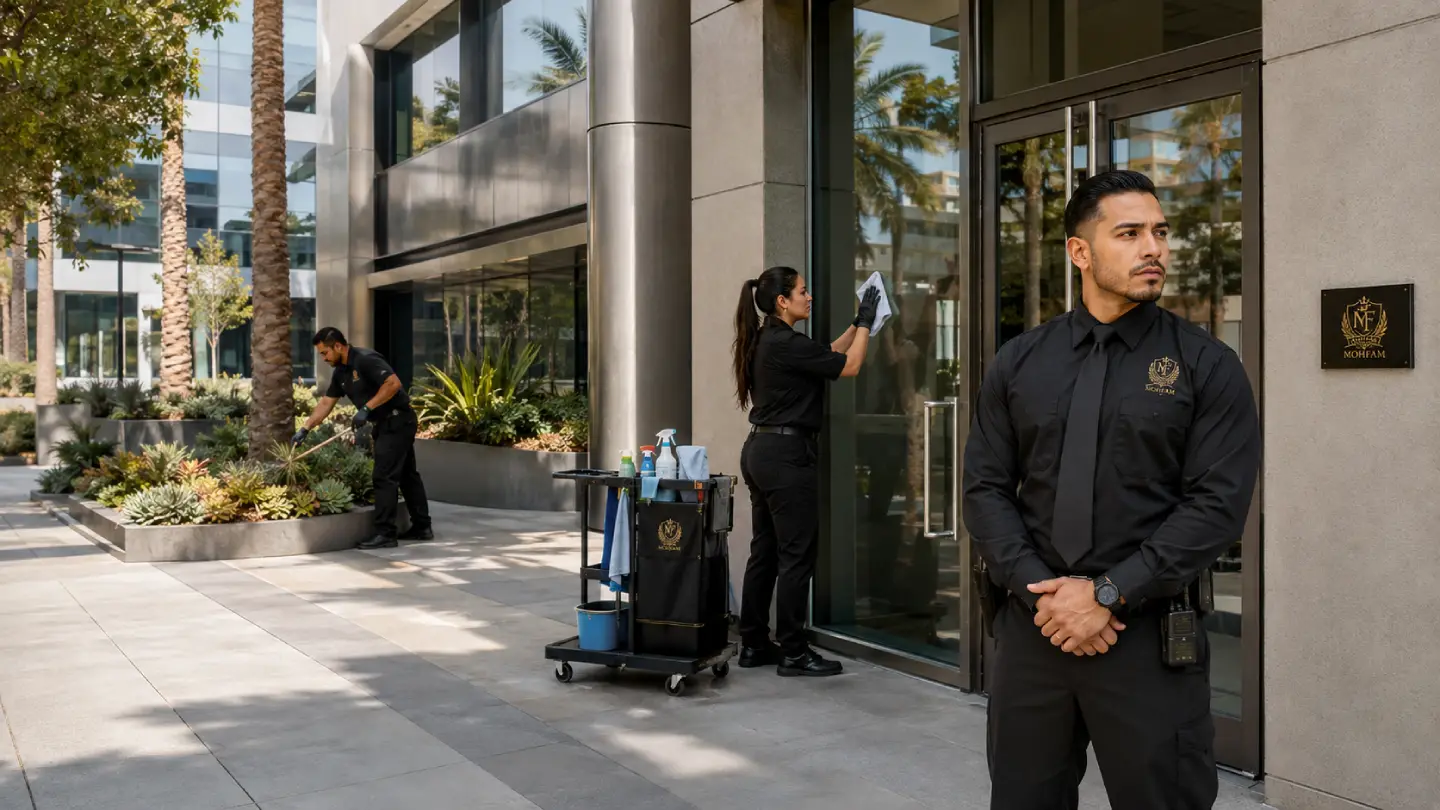
2026 Commercial Maintenance Standards for Success and Compliance
Latest Posts
Driving Portfolio Value Through Professional Landscape Care
Evolving Master-Planned Grounds Maintenance Trends in 2026
2026 Commercial Maintenance Standards for Success and Compliance