All Categories
Featured
Improving Budget and Aesthetics in Commercial Landscape M...
Strategic Capital Planning for Commercial Exterior Portfo...
Professional Operations for HOA Grounds Maintenance
Table of Contents
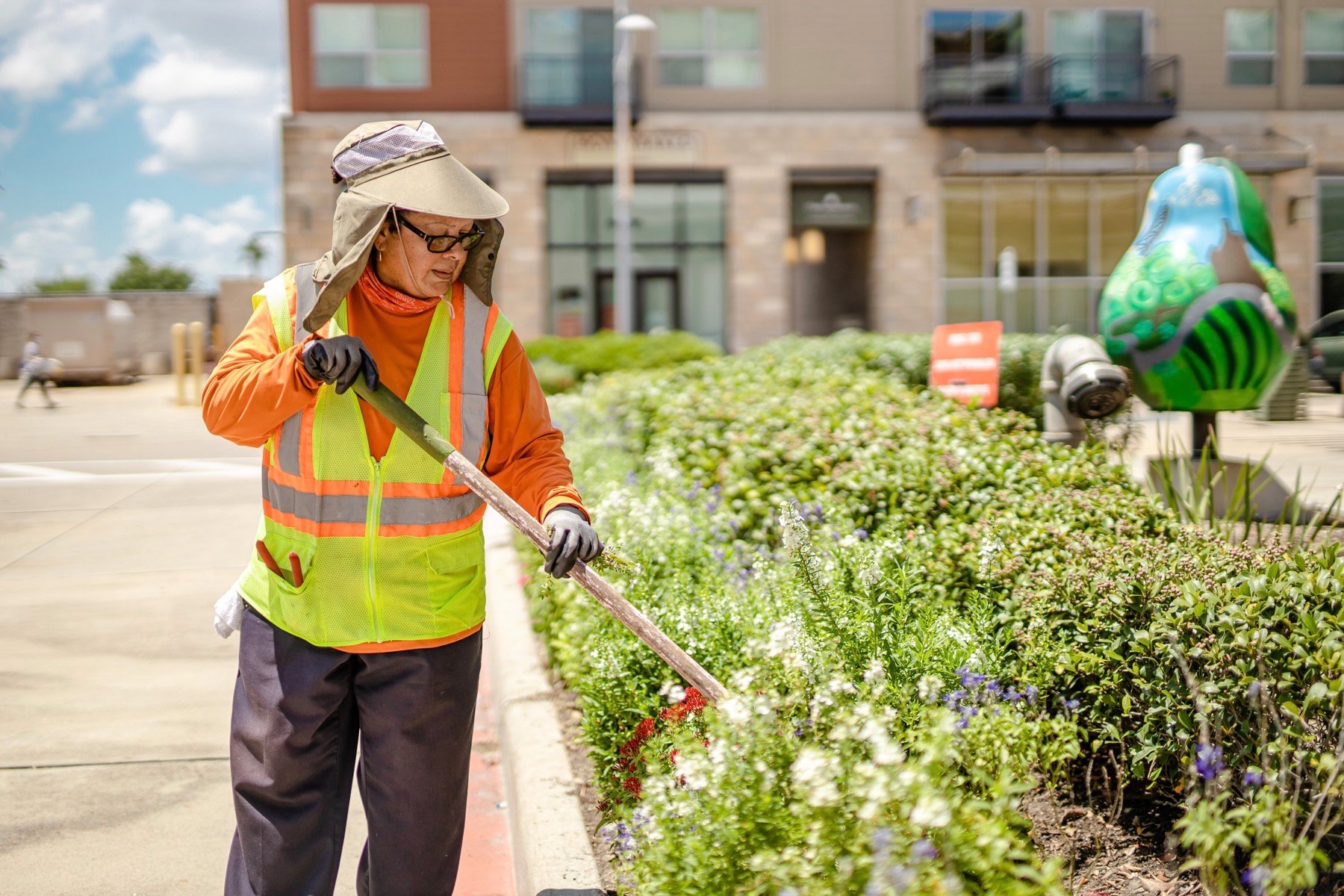
Thick shrubs, weeds poking through walkway cracks, and tired-looking typical areas send clear messages that drive individuals towards better-maintained neighborhoods. It secures what homeowners have actually paid for their homes, minimizes liability dangers from trip dangers or dead trees, keeps locals happy with where they live, and shows that individuals care about their neighborhood.
Communities normally keep sprinkler systems, trees, bushes, flower beds, mulched locations, yard, walkways, lighting, signs, playgrounds, pools, clubhouses, and other amenities specific to your community. Each piece requires different attention on different schedules. Trees need pruning every couple of years and routine health examinations by experts who know what they're looking at.

The complexity of upkeep depends on neighborhood size, regional weather, and the type of facilities being handled. Little communities with fundamental landscaping face simpler challenges than large advancements with fancy water fountains, a diverse selection of plants, and multiple leisure areas.
Commercial Common Area Landscape CareImplementing Modern Grounds Management Best Practices
Excessively vague standards like "keep things looking nice" produce arguments because everybody has various concepts about "great." Clear requirements outline what's acceptable while still allowing landscape professionals to utilize their judgment. Excellent requirements cover things like: Lawn height varies instead of precise cutting measurements Just how much weed coverage in lawns is all right before treatment When various types of trees get pruned based on how fast they grow Seasonal flower planting and replacement schedules How deep the mulch must be, and when it needs refreshing How rapidly repair work ought to happen after issues are reported Standards need to match your climate and spending plan truths.
Communities face big choices about who manages upkeep work. Some employ their own workers while others contract with landscape business. Both methods have upsides and downsides. Having your own staff offers direct control over schedules, quality, and what gets concern attention. Personnel members learn more about your property's distinct functions and what matters most to its homeowners.
The other hand involves handling staff members, purchasing and saving devices, dealing with payroll taxes and benefits, and handling individuals who give up or hire ill. Little communities frequently do not have enough work to validate full-time personnel, while larger homes might require numerous employees. Agreement maintenance discards devices, insurance coverage, and management headaches onto landscape companies.
The tradeoff suggests less direct control and depending on whether contractors actually reveal up and do good work. Landscape agreements should spell out precisely what work gets done, how often, and to what quality level.
How Smart Maintenance Protects Asset Value
Detailed agreements include: How typically grass gets cut and how short Edge trimming and cleanup requirements Who monitors and repairs sprinkler problems Seasonal flower setup and care Tree and shrub pruning timing Mulch application schedules and depth Insect and illness control approaches How you structure payment affects specialist performance. Some communities pay a monthly cost despite the quality; however, much better setups tie part of the payment to meeting standards validated through routine home walks.
Multi-year contracts with yearly cost changes offer stability while enabling performance reviews and possible termination for bad work. Broken sprinklers waste thousands of gallons of water, plus cash, while developing drain messes and eliminating plants. Excellent irrigation management needs routine monitoring, seasonal tweaks, and fast repairs. Regular monthly system checks catch damaged heads, clogged up nozzles, spray patterns striking pathways rather of lawn, and controller problems before they trigger real damage.
Seasonal modifications match watering to the changing weather and the needs of plants. Spring and fall transitions require cautious attention as temperature levels and rains change. Summer increases watering while winter season cut down or shuts down completely in locations that freeze. Smart controllers change instantly based upon weather projections, soil wetness, and plant requirements.
Commercial Common Area Landscape CareWater audits check how efficiently systems work and spot enhancement chances. They likewise develop substantial maintenance needs and possible lawsuits when disregarded.
Scaling Operations for Regional Real Estate
Pruning schedules depend on tree type, age, and where they're planted. Young trees require training cuts to establish strong structures.

Table of Contents
Latest Posts
Improving Budget and Aesthetics in Commercial Landscape Management

Boosting Asset ROI Through Professional Grounds Care
Strategic Capital Planning for Commercial Exterior Portfolios
Latest Posts
Improving Budget and Aesthetics in Commercial Landscape Management
Boosting Asset ROI Through Professional Grounds Care
Strategic Capital Planning for Commercial Exterior Portfolios